The Allure of Chance and Uncertainty
Casino games create a unique tension between skill, chance, and uncertainty, which intrigues many individuals. This psychological phenomenon, often referred to as the thrill of risk, captivates players, drawing them into the exhilarating world of gambling and online casino new zealand experiences. The unpredictability of outcomes adds to this allure, as players often find themselves caught in a cycle of excitement and anticipation, ultimately leading to repeated behavior. This attraction to risk-taking highlights a fundamental aspect of human nature: the desire for potential rewards that come with uncertainty.
Moreover, studies have shown that the sensation of winning, even small amounts, can trigger the release of dopamine in the brain, a chemical associated with pleasure and reward. This neurochemical response reinforces the desire to engage in gambling activities, as players begin to connect casino games with moments of joy and triumph. When players experience wins, regardless of their size, they may feel an irresistible urge to continue playing, creating a compelling loop that keeps them returning for more. This cycle of reward and pursuit is a significant factor in the ongoing engagement with gambling.
Interestingly, loss aversion plays a pivotal role in this psychological engagement. Players tend to perceive losses more acutely than victories, leading them to chase losses in hopes of regaining their initial stake. This behavior can escalate into problematic gambling patterns, as individuals may gamble beyond their means in an attempt to reverse their fortunes. Hence, while the thrill of chance is undoubtedly enticing, it can also pave the way for behavioral issues if left unchecked, highlighting the need for an awareness of one’s gambling habits and limits.
The Role of Environment in Gambling Psychology
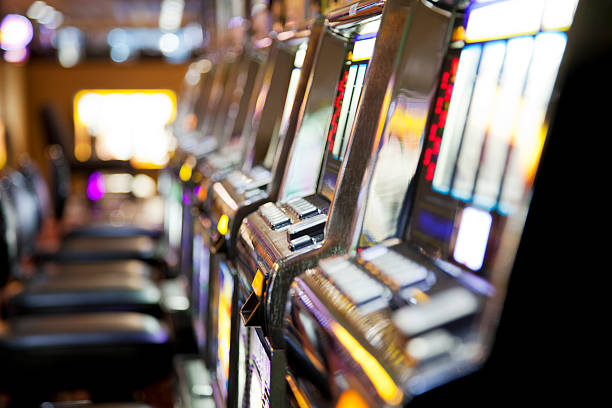
The environment of a casino is meticulously designed to enhance the gaming experience and influence player behavior. Bright lights, captivating sounds, and the strategic layout of machines and tables are crafted to immerse players in the gambling atmosphere. This sensory overload can lead to a state of heightened arousal, making players more likely to engage in games without fully considering the risks involved. The ambiance plays a critical role in retaining player attention and prolonging their stay within the gaming venue, reinforcing the desire to gamble.
Moreover, the concept of time becomes distorted within these environments. Players often lose track of time as they become engulfed in the excitement of their gaming activities; this escapism can lead to extended periods of play. To facilitate this phenomenon, casinos often eschew clocks and windows, creating an environment where time becomes irrelevant. This manipulation of time perception can have significant implications on gambling habits, as players may find themselves playing longer and spending more than initially intended.
Social interactions also significantly affect the psychology behind casino games. The camaraderie fostered among players can enhance the experience, leading to a feeling of belonging and shared excitement. Players may gravitate toward specific games or areas due to social dynamics, where the thrill of shared victories or collective losses can deepen engagement. This social aspect is integral to the casino experience, motivating individuals to play longer and invest more in their gaming endeavors, illustrating how community influences gambling behavior.
Cognitive Biases in Gambling Behavior
Cognitive biases significantly influence the decisions players make while engaging in gambling activities. One prominent bias is the illusion of control, where players believe they can influence the outcomes of games based on skill, even in games that are purely chance-based. This sense of control can lead players to take excessive risks, believing they can manipulate the game to their advantage. Over time, this misconception can fuel a problematic relationship with gambling, as individuals become increasingly convinced of their ability to win, often leading them to make irrational betting choices.
Another relevant cognitive bias is the availability heuristic, where individuals assess the probability of an event based on how easily they can recall similar instances. For example, if a player has recently witnessed someone win a significant jackpot, they might overestimate their chances of winning the same amount. This cognitive bias can result in players setting unrealistic expectations for their gambling experiences, leading to disappointments that do not reflect the actual odds of the games being played. Such miscalculations can have a significant impact on their overall gambling behavior.
Furthermore, the gambler’s fallacy is a common cognitive distortion seen among players. This bias manifests when individuals believe that past outcomes will influence future results, particularly in games of chance. For instance, if a player observes that a particular number on a roulette wheel hasn’t come up in a while, they may incorrectly assume it is ‘due’ to hit soon. Such misconceptions can lead to irrational betting strategies, impeding their ability to recognize the independent nature of each game round, which is crucial in understanding probability and risk management.
Emotional Factors in Gambling
The emotional landscape of gambling is another critical aspect of its psychology. For many players, gambling serves as an escape from everyday life, providing a temporary reprieve from stress, anxiety, or personal issues. The adrenaline rush associated with gambling can temporarily alleviate negative emotions, creating a feedback loop where players return to the casino to recapture that fleeting sense of relief. However, while gambling may initially serve as a coping mechanism, it can also lead to long-term distress and complicate existing emotional difficulties, often exacerbating the very issues players sought to escape.

Moreover, the emotional highs and lows associated with gambling can significantly impact decision-making processes. When a player experiences a significant win, they may act impulsively, leading to increased bets fueled by euphoria. Conversely, after a series of losses, individuals might gamble recklessly in an attempt to recover their losses or recapture the initial thrill of winning. Understanding this emotional volatility is crucial for players, as it can dictate their choices and ultimately affect their long-term gambling success, highlighting the need for emotional self-awareness in gaming situations.
It’s also essential to recognize the role that community and peer influence play within the emotional dynamics of gambling. Encouragement and validation from friends or fellow players can enhance the emotional stakes of gambling, further entrenching individuals in their gaming habits. While social support can provide a sense of belonging and shared experiences, it can also lead to unhealthy gambling behaviors if players feel pressured to continue despite negative experiences. Such emotional entanglements illustrate the intricate relationship between feelings and gambling participation.
Understanding Responsible Gambling
As engaging as the psychology behind casino games can be, it is crucial to highlight the importance of responsible gambling. Awareness of psychological traps can empower players to make informed decisions, fostering healthier relationships with gaming activities. Responsible gambling initiatives emphasize the importance of setting limits on time and money spent in casinos, effectively addressing potential behavioral issues stemming from the various psychological influences explored in this article. This awareness can be a vital tool in maintaining a balanced approach to gambling.
Additionally, education plays a pivotal role in promoting responsible gambling practices. Understanding the odds, the nature of risk, and the psychological factors at play can equip players with the tools they need to navigate the gaming environment consciously. By recognizing cognitive biases and emotional triggers, individuals can develop strategies to mitigate impulsive decisions and limit potential losses, ultimately leading to a more sustainable and enjoyable gaming experience. This proactive approach can significantly enhance players’ overall enjoyment and reduce the likelihood of developing gambling-related issues.
Furthermore, many casinos and online gaming platforms are adopting responsible gambling measures to support players. These measures may include self-exclusion programs, alerts to help players track their gambling behavior, and access to support resources when needed. By fostering an environment that prioritizes player well-being, these establishments can cultivate a healthier gaming culture while addressing the potential psychological risks associated with casino games. Such initiatives reflect a growing awareness of the need for a balance between entertainment and responsible gaming practices.

